BIONESIA and FMIPA Undiksha Hold a Genetic Analysis Workshop to Support Sea Turtle Conservation
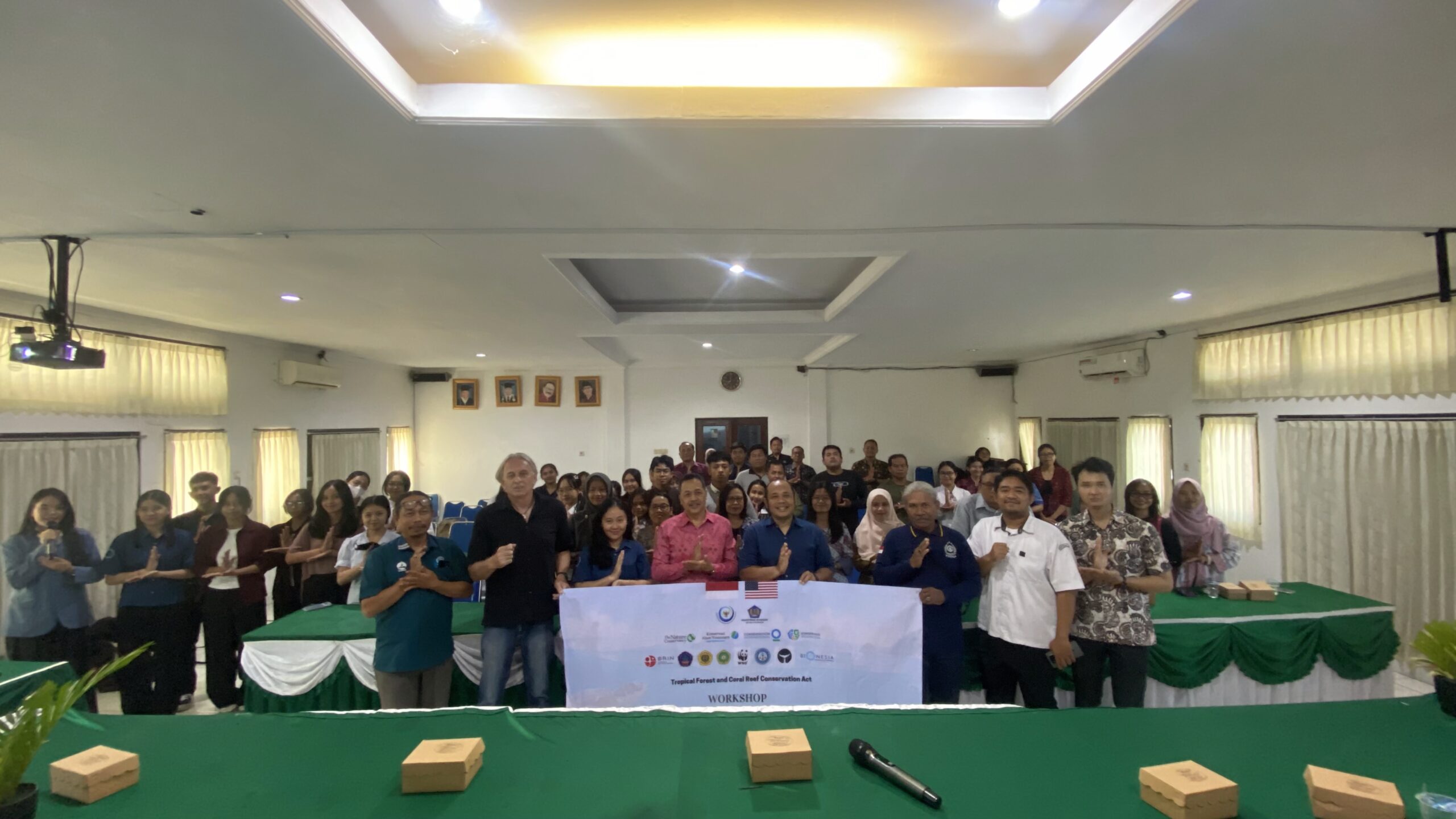
Singaraja, 30 September 2026 — Yayasan Biodiversitas Indonesia (BIONESIA), in collaboration with the Faculty of Mathematics and Natural Sciences, Universitas Pendidikan Ganesha (Undiksha), organized the Workshop on Sample Collection and Genetic Analysis of Sea Turtles and Their Derivative Products in the Lesser Sunda Seascape (LSS) on 29–30 September 2026. Supported by the Tropical Forest and Coral Reefs Conservation Act (TFCCA) program, the two-day workshop was held at FMIPA, Universitas Pendidikan Ganesha, Singaraja.
The workshop was part of broader efforts to strengthen capacity in sea turtle conservation, particularly through the application of genetic approaches to understanding population relationships, identifying species, and tracing the origins of sea turtles and their derivative products. The Lesser Sunda Seascape is one of the important areas within the Coral Triangle, characterized by high biodiversity and serving as a significant habitat and migratory corridor for various marine species, including sea turtles. Given their migratory nature, which often extends across regions and national boundaries, sea turtle conservation requires scientific data that can provide insights into population connectivity. Genetic data serve as an important source of information to support these efforts.
Day 1: Genetic Conservation and Sea Turtle Sample Collection Techniques
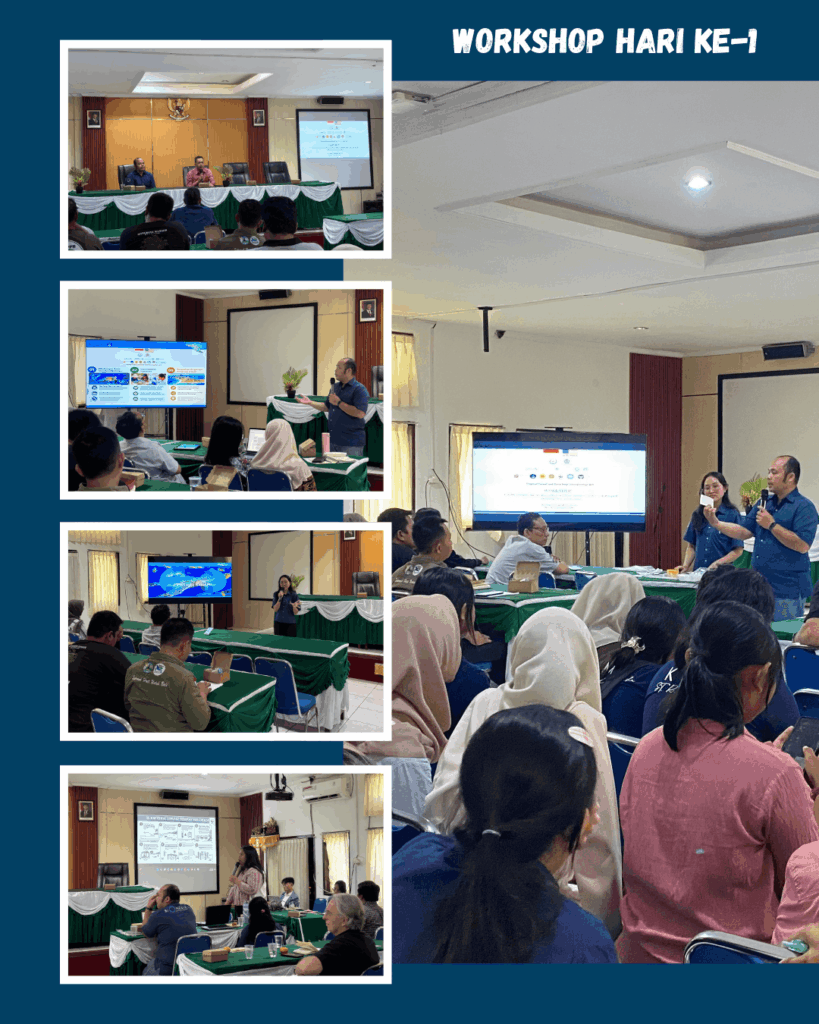
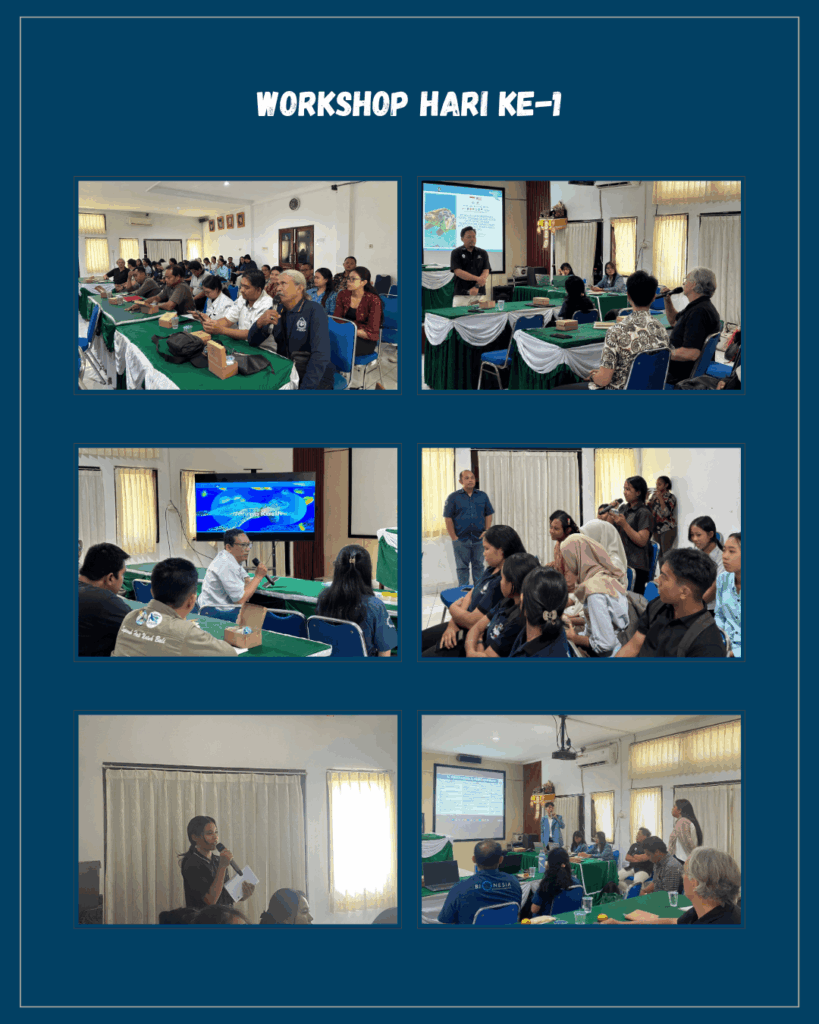
The first day, Tuesday, 29 September 2026, took place in the FMIPA Undiksha Seminar Room, focusing on Genetic Sampling Techniques and Sea Turtle Hatchery Management. The event began with participant registration, the singing of the Indonesian national anthem, prayers, opening remarks, and an official opening ceremony, followed by a series of presentations.
The first presentation on sea turtle genetic conservation was delivered by Michael Jensen from WWF Coral Triangle. Andrianus Sembiring from BIONESIA then presented capacity-building and sea turtle conservation initiatives in the Lesser Sunda Seascape through the TFCCA program. Participants also gained insights into a case study on genetic forensics of sea turtles and their derivative products traded in Bali, as well as sea turtle hatchery management procedures presented by Ranny Yuneni from WWF Indonesia. Through this session, WWF contributed scientific perspectives and practical experience in sea turtle conservation.
The following session covered sea turtle genetic sample collection and handling techniques, presented by Candra Apriliani from BIONESIA. This was followed by demonstrations and hands-on practice in sea turtle genetic sample collection, facilitated by the BIONESIA and Undiksha teams. Through these activities, participants gained practical experience in proper, safe, well-documented, and accountable sample collection procedures to support the development of a sea turtle genetic database. The first day concluded with discussions and a question-and-answer session with the speakers.
Day 2: Practical Genetic Analysis in the Laboratory
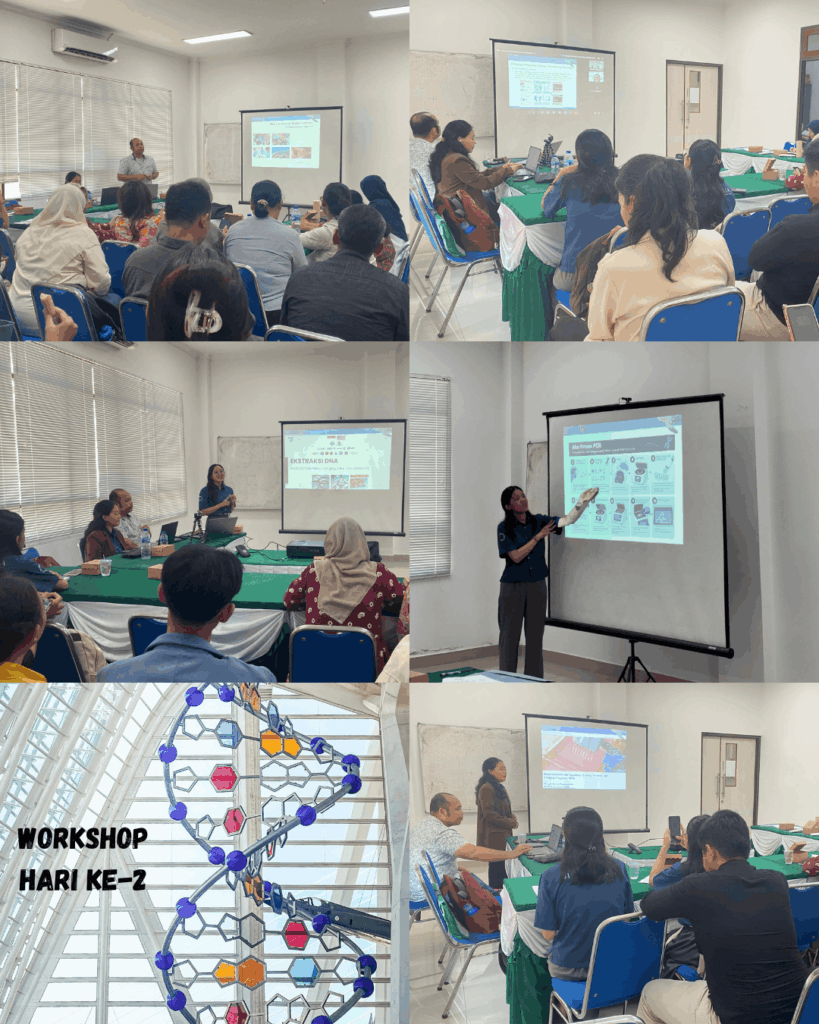
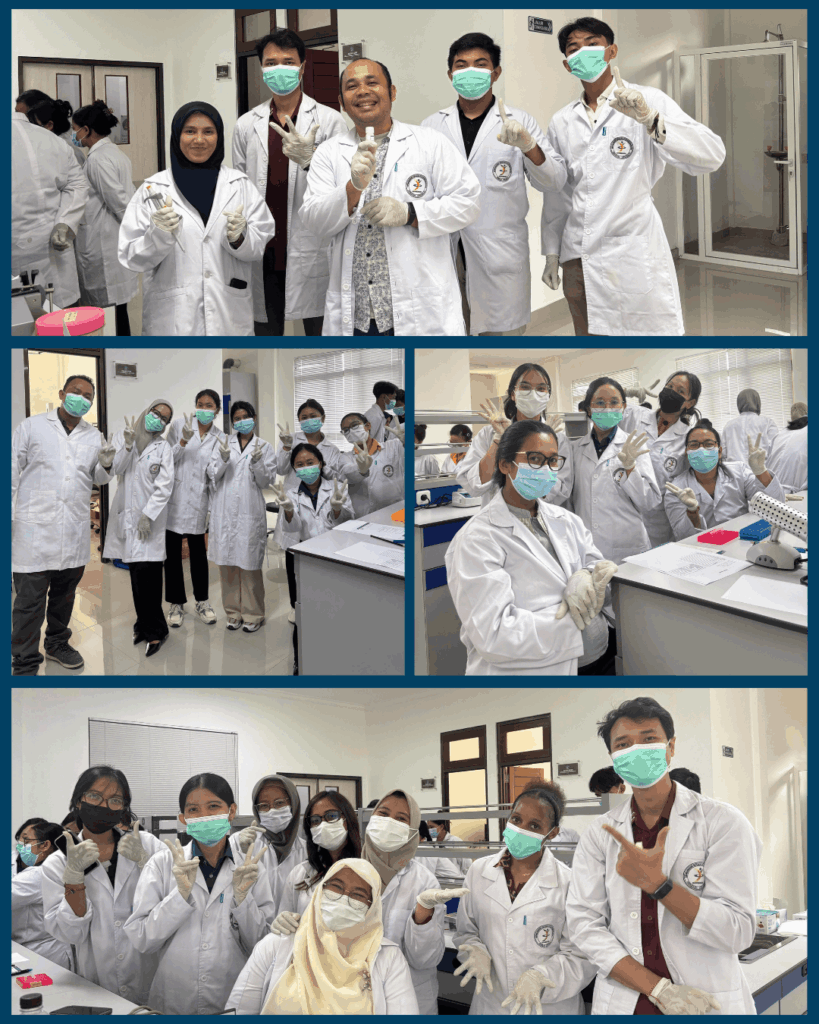
On the second day, Wednesday, 30 September 2026, activities took place at the Integrated Research Laboratory of FMIPA Undiksha, focusing on Fundamentals of Genetic Analysis and Laboratory Practices. The sessions aimed to strengthen participants’ knowledge and technical skills in molecular genetic analysis.
The day began with an overview of the laboratory workflow delivered by Andrianus Sembiring from BIONESIA. Subsequent sessions covered sample handling, sampling, and genetic sample preparation by Dian Pertiwi from Undiksha; DNA extraction by Candra Apriliani from BIONESIA; PCR by Rossa Savitri from BIONESIA; and electrophoresis and sequencing by Astria Yusmalinda from BIONESIA.
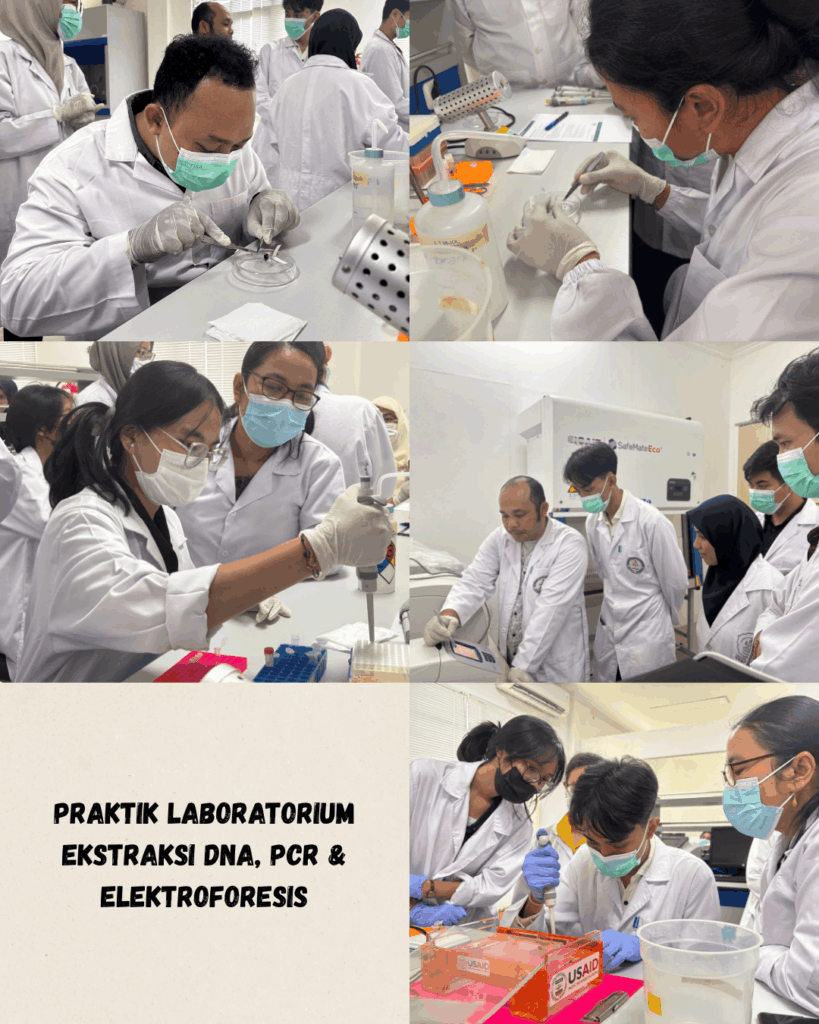
During the practical sessions, participants were divided into several groups to undertake hands-on activities covering sample preparation and handling, DNA extraction, PCR, and electrophoresis. Participants were then introduced to sequencing data, followed by BLAST analysis and result interpretation. These practical sessions provided an opportunity to understand the complete genetic analysis workflow, from sample handling to molecular data interpretation.
The two-day workshop ran smoothly and received active participation from various stakeholders, including academics, students, conservation organizations, and community groups involved in sea turtle conservation. Participants and invited representatives came from FMIPA Undiksha, BIONESIA, and several conservation organizations and sea turtle conservation groups in Bali. WWF representatives also contributed as speakers, enriching participants’ perspectives on sea turtle conservation at both regional and field-management levels.
Through this workshop, participants are expected to gain a deeper understanding of the importance of genetic data in supporting sea turtle conservation, while improving their skills in standardized sample collection, handling, and analysis. The event also served as a platform for universities, conservation organizations, practitioners, and local community groups to exchange knowledge and experiences in advancing sea turtle conservation efforts.
Moving forward, BIONESIA hopes to further strengthen its collaboration with FMIPA Undiksha and its network of experts, practitioners, and conservation organizations through education, research, and community engagement initiatives, particularly in biodiversity conservation and sea turtle protection across Bali and the Lesser Sunda Seascape. This collaboration is expected to expand through joint research, strengthening genetic databases, enhancing laboratory capacity, and implementing sustainable, science-based conservation programs.